
Best Time To Visit Kerala For Backwaters, Hills And Ayurveda
A month-by-month guide to Kerala weather, the main travel season, the monsoon, the best time for Ayurveda and when to book.
 By Shine Babu, Travel Specialist
Updated · 4 min read
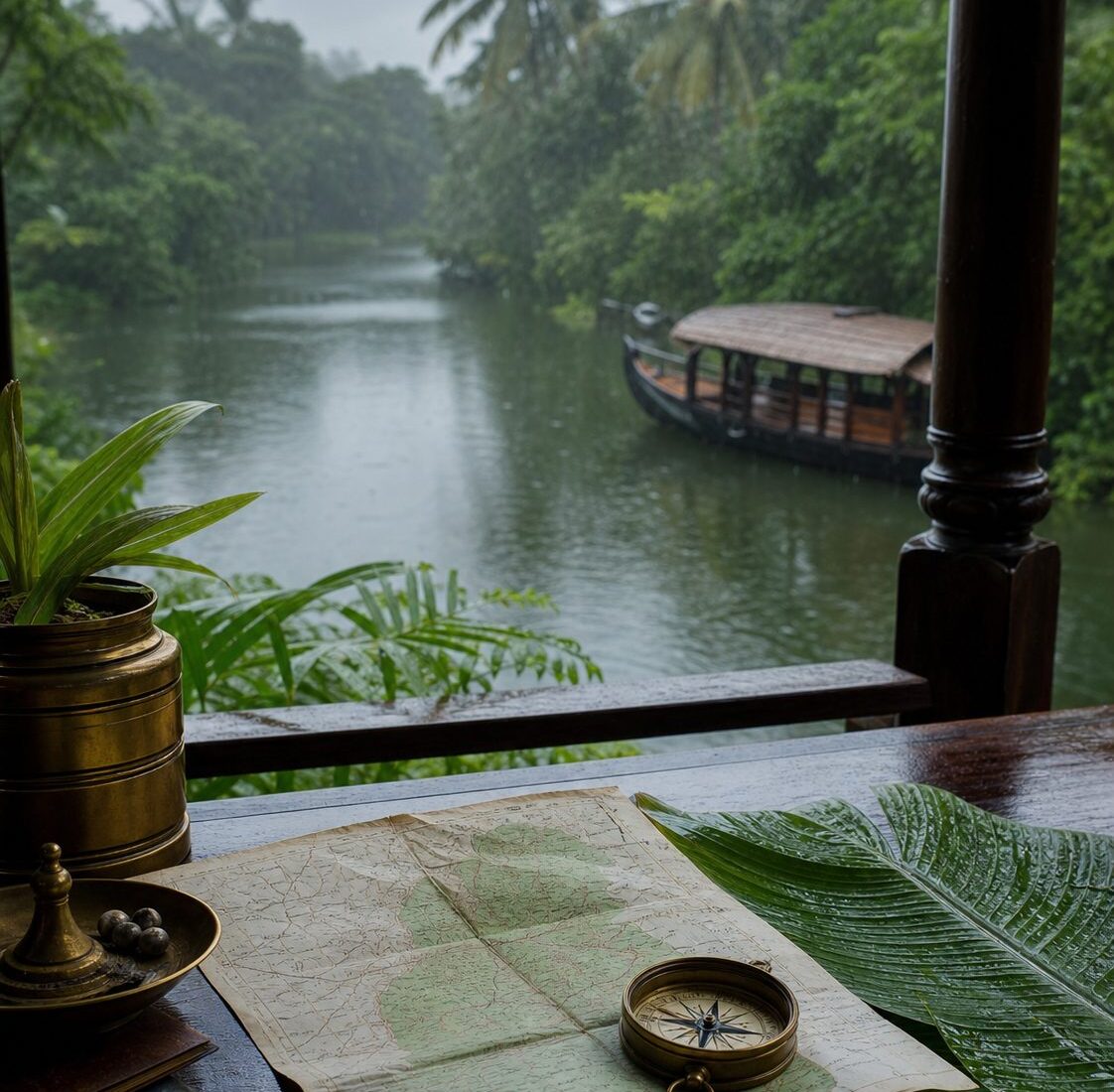
There is no single best month for Kerala. The right time depends on what you want from the trip: dry days on the backwaters, cool air in the tea hills, a traditional Ayurveda programme or quieter hotels at lower prices. This guide walks through the year month by month so you can match your dates to the holiday you have in mind.
Kerala’s year at a glance
Kerala has a tropical climate shaped by two monsoons. The coast and backwaters are warm all year, while the hills around Munnar and Wayanad are noticeably cooler. Broadly, the year falls into three seasons:
| Season | Months | What to expect |
|---|---|---|
| Main season | October to March | Drier, more comfortable days. December and January are the most popular and the most expensive. |
| Hot season | April and May | Hot and humid on the coast, with pre-monsoon showers in May. The hills are pleasant. |
| Monsoon | June to September | Heavy rain, lush landscapes, quieter hotels and the traditional season for Ayurveda. |
October and November
The south-west monsoon has passed, the landscape is still deep green and the main season begins. The north-east monsoon can bring afternoon or evening showers, especially in October, but mornings are often clear. These months are a good balance of good weather, fresh scenery and better availability than December. Kumarakom’s migratory birds start arriving from around November.
December to February
This is Kerala’s peak season. Days are dry and warm on the coast and cool in the hills, where early mornings in Munnar can be properly chilly. It is an excellent time for every part of a classic route: Kochi, the hills, Thekkady, the backwaters and the beaches.
The catch is demand. The weeks around Christmas and New Year are the busiest of the year, and the best houseboats and smaller hotels fill early. For travel between mid-December and mid-January, we recommend confirming plans four to six months ahead.
March
March is warmer and more humid on the coast, but still dry and very travel-friendly. Crowds thin after February, and some hotels offer better rates. Plan backwater and beach time for the mornings and late afternoons, and spend the middle of the day somewhere shaded or by the pool.
April and May
These are the hottest months on the coast and backwaters, and humidity builds through May as the monsoon approaches. The hills are the place to be: Munnar, Thekkady and Wayanad are comfortable and quieter than in winter. A route weighted towards the hills, with only a short time in the lowlands, works well. This is also the season of Thrissur Pooram, one of Kerala’s most spectacular temple festivals, usually held in April or May.
June to September: the monsoon
The south-west monsoon usually reaches Kerala in early June and is heaviest in June and July. Rain often comes in strong bursts with clearer spells in between, rather than all day every day. The landscape is at its most beautiful, waterfalls such as Athirapilly are in full flow, hotels are quieter and prices are often at their lowest.
Monsoon travel suits travellers who want rest rather than a busy sightseeing route. Road journeys can be slower, some hill roads are occasionally affected by landslides in very heavy rain, and beach swimming is not safe. We plan monsoon trips with fewer moves and more flexibility.
August and September bring two of Kerala’s best-loved celebrations. Onam, the harvest festival, falls in August or September, and the Nehru Trophy Boat Race takes place on Punnamada Lake near Alleppey, traditionally on the second Saturday of August.
The best time for Ayurveda
Ayurveda is offered all year, but the monsoon is traditionally considered the ideal time for treatments. The cooler, moist air is believed to help the body respond to therapies, and the Malayalam month of Karkidakam, roughly mid-July to mid-August, is especially associated with rejuvenation programmes. Monsoon programmes are also quieter and often better value. If you prefer drier weather, the main season works well too; you simply share the retreat with more guests.
The best time by experience
- Backwaters and houseboats: October to March for dry days; the monsoon for drama and quiet water.
- Munnar and the tea hills: September to May; the hills are green after the rains and cool in winter.
- Beaches at Kovalam, Varkala and Marari: November to March, when the sea is calmer.
- Wildlife in Thekkady and Karnataka: the main season for comfortable conditions; the dry months from March to May often give better sightings as animals gather near water.
- Birdwatching in Kumarakom: November to February, when migratory birds arrive.
- Honeymoons: October to March for weather; the monsoon for privacy and value.
When to book
- Christmas, New Year and February half-term: four to six months ahead.
- The rest of the main season: two to four months ahead, earlier for small boutique hotels and private houseboats.
- Monsoon and shoulder months: four to eight weeks ahead is usually enough.
Weather patterns vary from year to year, so treat these as typical conditions rather than guarantees. If you already have dates in mind, share them with us and we will suggest the route that suits that time of year best.
